
I used to buy things just because they looked good on the hanger. Pretty color. Nice drape. I didn't think about how they'd hold up after three washes or one season of wear.
Then I spent years at Vogue watching samples fall apart. Seams popping. Buttons falling off. Fabric pilling before the shoot even started. Those clothes were never meant to last. They were meant for one photo.
Now I check five things before I buy anything. Even cheap stuff. Especially cheap stuff.
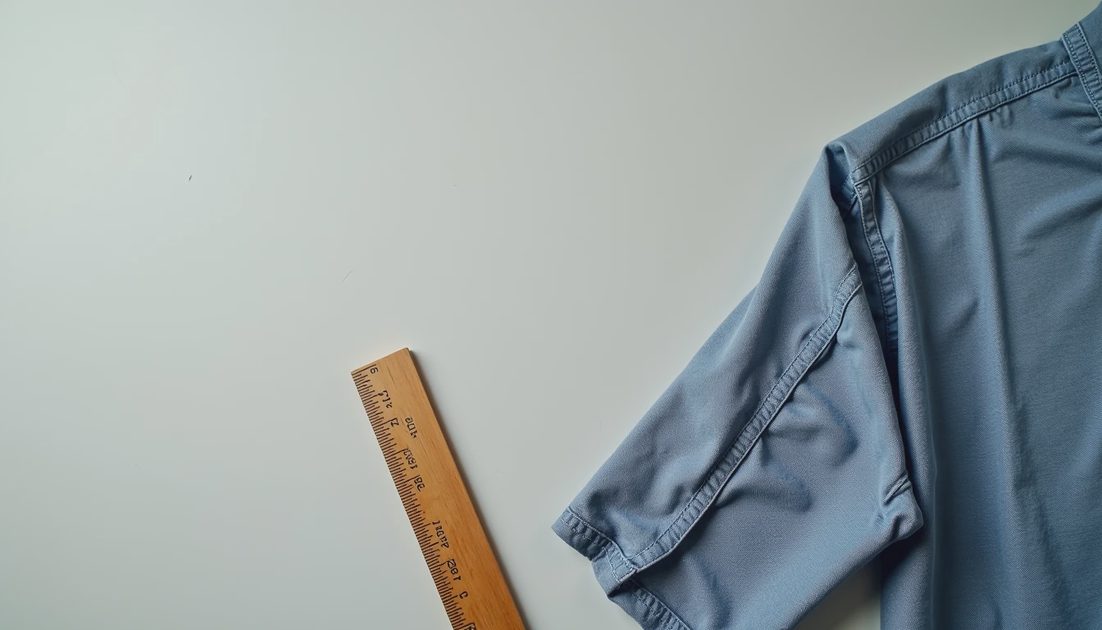
1. The Fold and Release Test
This is the first thing I do. Takes five seconds.
Fold the fabric between your fingers. Press down gently. Then let go.
Does it spring back? Or does it stay wrinkled?
If it stays wrinkled right there in your hand—before you've even worn it—imagine what it'll look like after sitting in a chair for an hour. Or after being packed in a suitcase.
I learned this with a linen shirt last summer. Felt soft. Looked great in the store. I didn't do the test. Brought it home. Wore it once. It looked like I had slept in it by noon.
Now I do the fold test on everything. Sweaters. Pants. Even jackets.
What you want: fabric that bounces back quickly.
What you don't want: fabric that holds a crease from your fingers.
2. The Seam Stretch Test
Find a seam. Any seam. Sleeve, side, shoulder. Gently pull it apart with your thumbs. Just a little. Like you're trying to see between the stitches.
Look at the thread. Is it tight and hidden? Or can you see gaps between the stitches?
I bought a pair of pants once from a brand I won't name. The seams looked fine on the outside. I did this test in the dressing room. The thread was so loose I could see the fabric edges underneath. I put the pants back. Three months later, a friend bought the same pair. The seams split after four wears.
What you want: tight stitches, no gaps, thread that matches the fabric.
What you don't want: loose stitches you can see through.
3. The Button and Zipper Rattle
Sound matters. I know that sounds weird. But it's true.
Pick up the jacket or coat. Shake it gently next to your ear. Listen.
Do the buttons rattle? Does the zipper tab make a tinny noise?
Loose buttons rattle. Cheap zippers sound thin and light. Good zippers—YKK is the brand I trust—feel solid and quiet.
I have a coat I bought five years ago. The buttons never rattled. The zipper is YKK. Still works fine. I have another coat, cheaper, that I bought two years ago. The zipper pull broke last month. I heard the rattle on day one. I just ignored it.
What you want: quiet zippers, buttons that don't move when you shake.
What you don't want: anything that sounds like loose change in your pocket.
4. The Inside Check (Lining and Seam Allowance)
Turn the thing inside out. This is where cheap brands hide their secrets.
Look at the lining first. Is it attached all the way? Or just tacked in a few places?
Then look at the seam allowance—the extra fabric inside the seam. A good seam allowance is at least half an inch. A cheap one is barely there. A quarter inch or less.
I bought a blazer online last year. Loved the outside. Turned it inside out. The seam allowance was maybe an eighth of an inch. That means one good tug and the whole seam would pop. I returned it.
What you want: full lining, half-inch seam allowance, clean edges inside.
What you don't want: barely-there seams, loose threads, no lining where there should be.
5. The Scratch Test on Wool and Knits
This one is for sweaters, cardigans, anything wool or wool-blend.
Rub the fabric against itself. Back and forth. Ten times. Fast.
Then look at the surface. Do you see little pills forming? Little balls of fuzz?
Bad wool pills immediately. Good wool might pill eventually, but not during a ten-second scratch test in a store.
I learned this with a cashmere sweater I bought on sale. Felt amazing. Softest thing I owned. After three wears, it looked like it had been through a dryer with sandpaper. I didn't do the scratch test. Never again.
What you want: no fuzz balls after rubbing.
What you don't want: instant pilling.
What I Still Mess Up
I forget the seam test all the time. Especially when I'm in a hurry or something is on sale. I get excited. I skip steps. Then I get home and find loose threads and feel stupid.
Last month I bought a dress. Did every test except the fold test. Got home. Wore it once. Now it lives in my ironing pile because it wrinkles if I look at it wrong.
So no, I'm not perfect at this. But I get better every year. And so will you.
Next time you're in a store, slow down. Do the fold test. Pull a seam. Listen for rattles. Turn it inside out. Scratch the wool.
Five minutes of messy checking saves you from a closet full of clothes that don't last.
No letters yet — be the first to write.