If you have ever stood in a fitting room wondering why one pair makes you feel instantly polished and another makes you want to go home in your pajamas, the answer is usually cut, fabric, and proportion. That is why understanding different types of pants matters more than chasing whatever trend is loudest this season. After 15 years in fashion editorial, I can tell you this with confidence: the right trouser shape does more for a wardrobe than a dozen impulse buys. A good pair of pants can make a simple knit and loafers look intentional, expensive, and entirely pulled together.
Straight-Leg Pants: The Quiet Workhorse
If you buy one silhouette first, make it a straight leg. Of all the different types of pants, this is the one I see work hardest in real wardrobes. Straight-leg pants skim the leg without clinging and without adding too much volume, which makes them easy to wear with blazers, cotton shirts, fine-gauge knits, and even a plain white T-shirt.
Here’s what I look for: a mid-rise that sits comfortably at the natural waist, a leg that falls cleanly from hip to hem, and fabric with enough weight to hold its line. In trousers, that might be a wool blend from Theory or J.Crew. In denim, brands like Madewell, AG, and Levi’s often get the proportion right at prices ranging from about $90 to $250.
This is also the easiest shape to hem well. A straight leg should just graze the top of a flat shoe or break lightly over a heel. If the ankle opening is too narrow, it can feel dated. Too wide, and you are moving into full-leg territory.
Wide-Leg and Trouser Pants: Elegant When the Fabric Is Right
Wide-leg trousers have had a long runway life because they are genuinely chic, not because the industry needed another trend. Among the different types of pants, these are often the most dramatic, but drama is not a bad thing when it is controlled. The secret is fabric. Let me tell you something about this fabric: if it is too thin, wide-leg pants collapse and cling in the wrong places. If it is too stiff, they look costume-like.
The best versions come in wool crepe, twill, ponte, or a substantial linen blend. COS, Vince, Banana Republic, and Lafayette 148 all do strong trouser cuts, though the price spread is significant. You might spend $120 at Banana Republic or well over $400 at Vince. The more expensive pair usually earns its keep through drape, lining, and better tailoring at the waistband.
Wear wide-leg pants with some structure up top. A trim sweater, a tucked silk blouse, or a cropped jacket keeps the look balanced. If everything is oversized, you stop looking relaxed and start looking unfinished.
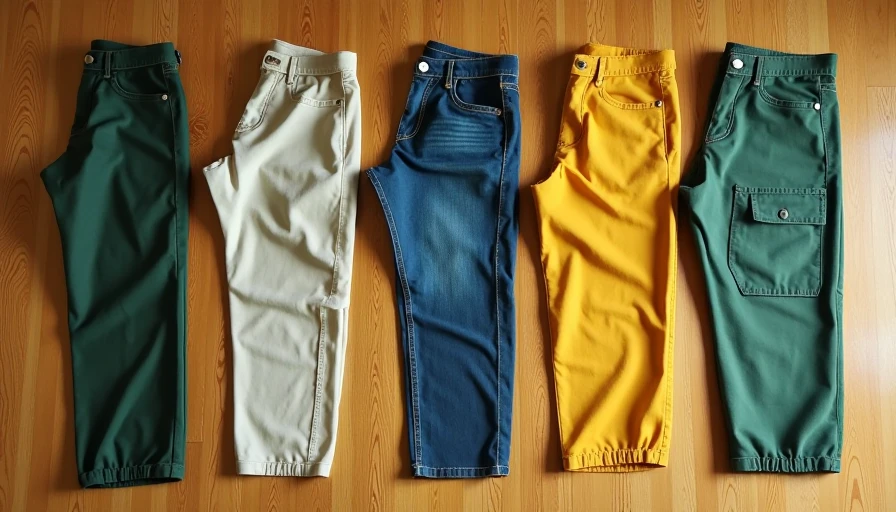
Tapered, Cigarette, and Slim Pants: Clean but Unforgiving
Now for the silhouette many women own but not enough women edit properly. Tapered and cigarette pants can be excellent, especially for work, travel, and evenings when you want a sharper line than denim. But among different types of pants, these are the least forgiving when the fabric is cheap or the rise is wrong.
A cigarette pant should narrow neatly toward the ankle without pulling across the thigh. A tapered pant can have a bit more ease through the hip and upper leg, which often makes it more wearable. This is where ponte knit can be your friend. A quality ponte pant from Spanx, Eileen Fisher, or MM.LaFleur can look sleek while remaining comfortable enough for a long day.
What I would avoid is the paper-thin stretch trouser that promises comfort and delivers shine at the seat by lunchtime. If you can see every pocket line in the fitting room, put them back. Slim pants are only elegant when the fabric has density and recovery. Pair them with loafers, ankle boots, or a low block heel and something slightly longer on top, like a blazer or fine knit jacket.
Cropped, Ankle, and Full-Length Styles: Length Changes Everything
Length is not a minor detail; it is the whole conversation. Two pairs in the same cut can look entirely different depending on where the hem lands. When women ask me about different types of pants, they are often really asking about proportions, and hem length is where proportion becomes visible.
Cropped pants should show the slimmest part of the ankle, not stop at the widest part of the calf. That one adjustment can make a pair look crisp instead of awkward. Ankle pants are excellent with loafers, ballet flats, and streamlined sneakers because they create a little visual air between shoe and hem.
Full-length trousers, on the other hand, feel more refined and often more expensive. They also elongate the line of the leg beautifully, especially with a pointed flat or heel. If you wear pants primarily to the office, I would invest in one properly hemmed full-length trouser before buying three mediocre cropped pairs. Tailoring usually costs far less than replacing a disappointing purchase.
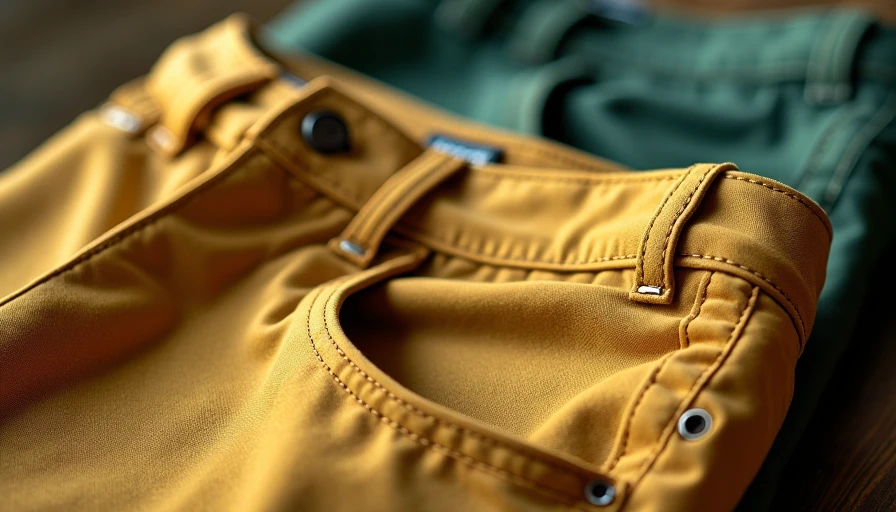
Utility, Cargo, and Linen Pants: Casual Does Not Mean Sloppy
Not every wardrobe needs pinstriped trousers and dark denim on repeat. Casual shapes have their place, but they should still feel considered. Cargo and utility pants are among the different types of pants that can go wrong quickly if there are too many pockets, too much hardware, or too much fabric through the leg. The best versions are restrained: clean front, muted color, and a leg shape that is either straight or softly tapered.
For weekends, I like utility pants in cotton twill from brands like Everlane, Alex Mill, or J.Crew. Expect prices around $90 to $180 for solid quality. Olive, navy, and soft stone are far more versatile than anything overly distressed.
Linen pants are another summer essential, but only when the linen has substance. A lined or heavier linen blend will crease gracefully rather than crumple instantly. Look for a drawstring only if the waistband still feels polished. Otherwise, choose a flat-front style that can go from brunch to dinner with a leather sandal and a crisp shirt.
How to Choose the Right Pair for Your Wardrobe
The smartest way to approach different types of pants is not to buy one of everything. Start with your actual life. If you work in an office three days a week, a navy straight-leg trouser and a full-length wide-leg pair will probably serve you better than novelty cargo pants. If your days are more casual, straight-leg denim, a utility pant, and one excellent black ponte style may cover nearly everything.
Here’s what I look for every single time: fabric first, rise second, length third. Fabric tells you whether the pants will hold up. Rise determines comfort and line. Length decides whether the whole thing looks intentional. Brand matters, but construction matters more. I would rather see you buy one $198 pair that fits beautifully than three $59 pairs that need constant adjusting.
And yes, try them on with real shoes. The loafer, sneaker, or heel you actually wear changes the entire picture. Pants are engineering disguised as style. Once you understand that, shopping becomes much easier. The best accessory is a life well-lived, but a truly excellent pair of pants comes very close.