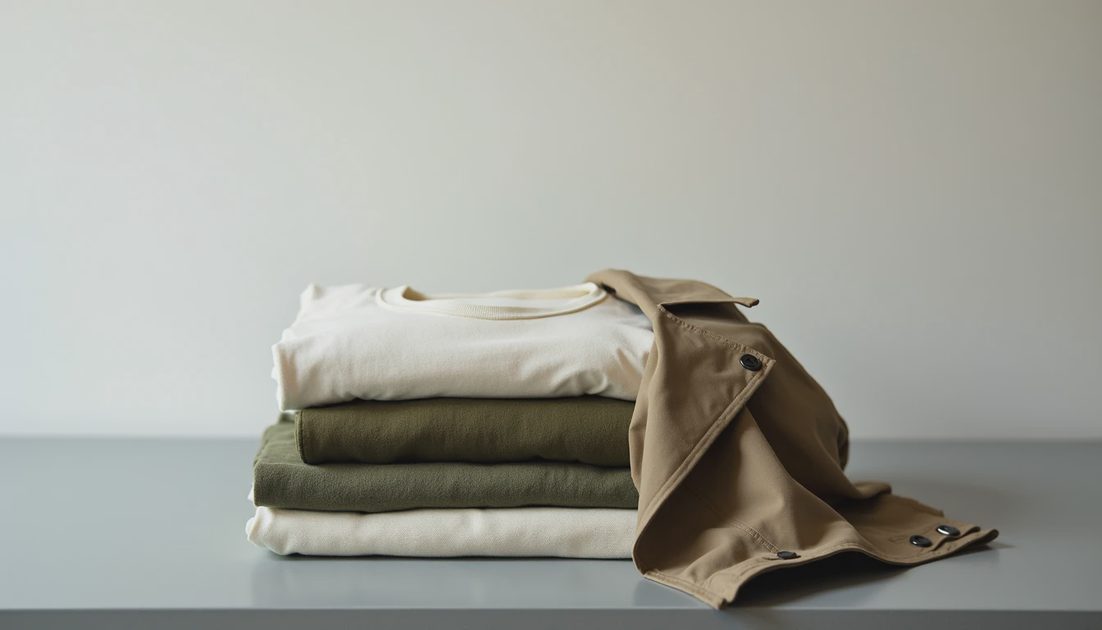
I hate transition seasons. Not because of the weather. Because of my closet.
Every October, I stand in front of my clothes like I have never seen them before. Too cold for summer things. Too warm for winter things. I end up wearing the same sad sweatshirt for two weeks while I figure it out.
Last year, I finally sat down and made a formula. Not a complicated one. Just three layers that work from October cool to November cold. I tested it for six weeks. It worked. I felt stupid for not figuring it out sooner.
So here it is. No shopping spree required.
The Three-Layer Formula That Actually Works
You need three things. That's it.
Layer one (against your skin): Thin. Real thin. A cotton long-sleeve tee. A lightweight merino turtleneck. Something that breathes. Nothing bulky.
Layer two (the middle): Your "maybe" piece. A cardigan. A denim jacket. A thin wool vest. Something you can take off and carry.
Layer three (the outer): A coat or jacket that is not your winter parka. Lighter than that. A trench coat. A wool blazer. A field jacket.
Here is the trick: none of these layers are heavy on their own. Together, they trap air and keep you warm. Take one off, you are fine. Put one on, you are fine. No sweating. No shivering.
I wore this system for three weeks straight in October. Same three pieces. Different combinations. Nobody noticed. Nobody cared.
October: Cool but Not Cold (40s–60s°F / 4–15°C)
October is the liar month. Mornings are cold. Afternoons are warm. By 2 PM you are carrying your jacket like a fool.
What I wear in October:
Layer one: Thin cotton long-sleeve tee. Old Navy. $12. Had it for years.
Layer two: Open cardigan. Not buttoned. Just draped.
Layer three: Trench coat or light jacket. Worn open most of the day. Closed only if it drops below 50.
The key for October: Keep everything open. Your coat open. Your cardigan open. Air needs to move. If you button up in October, you will be peeling things off by lunch and carrying an armful of clothes like a bag lady. I have been that bag lady. It is not cute.
One example I actually wore last week: Cream tee, olive cardigan, khaki trench. Loafers. Jeans. Got a compliment from a stranger on the subway. That never happens.
November: Actually Cold (30s–50s°F / 0–10°C)
November is when October's tricks stop working. You cannot leave your coat open anymore. You need to button things. You need to tuck.
What I wear in November:
Keep the same layer one. Thin tee still works.
Layer two gets buttoned or zipped. No more draped cardigans. Swap the denim jacket for a wool cardigan or a thinner puffer vest.
Layer three becomes a wool coat or a heavier trench. Not your puffer yet. Save that for December.
The key for November: Tuck your layer one into your pants. I know that sounds small. It changes everything. Cold air sneaks up from your waist. Tucking kills it.
Also: Add a scarf. Not for fashion. For the gap at your neck. A cheap cotton scarf works fine. I have three. All from drugstores.
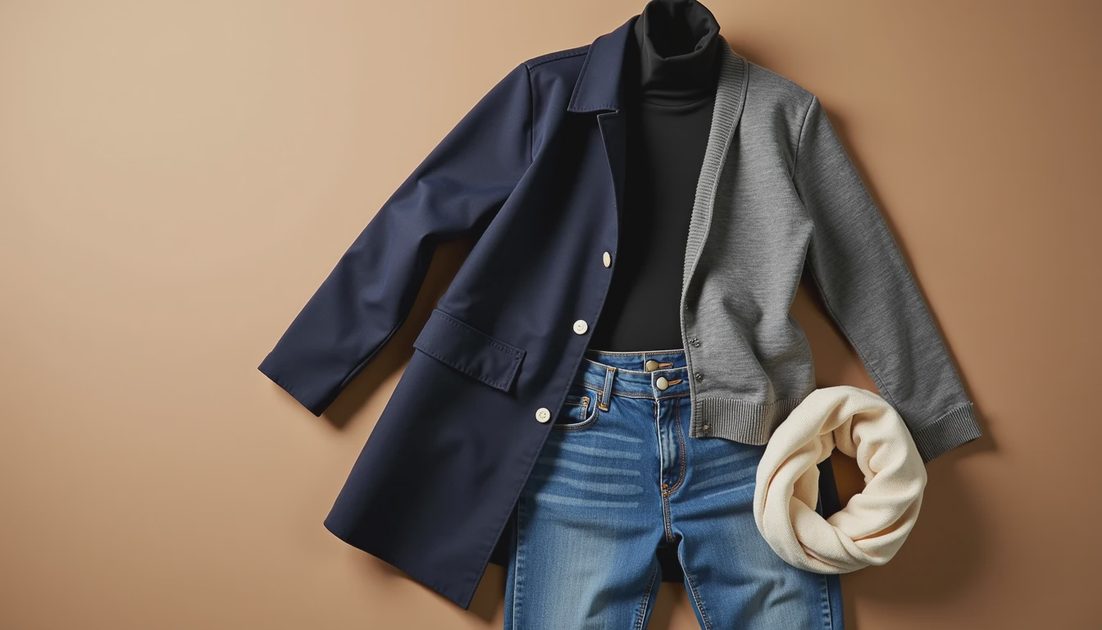
One example from last November: Black thin turtleneck (H&M, $17, four years old), gray wool cardigan (J.Crew, thrifted), navy wool coat (Uniqlo, $129). Scarf from CVS. $8. Worked fine.
What I Got Wrong For Years
I used to think I needed a "fall coat" and a "winter coat" and a "transition jacket." I had five jackets. I wore two of them.
I also bought heavy sweaters too early. Heavy sweaters in October are a trap. You wear them once, get too hot, and then they sit in your laundry pile for three weeks.
And I never tucked my shirt in. Ever. I thought it looked weird. Now I tuck. Nobody has said a word. My waist is warmer. That is the win.
The Whole Formula in One Paragraph
Thin base layer. Medium middle layer. Light outer layer. Keep October open. Button November up. Add a scarf when your neck gets cold. Tuck your shirt. Same three pieces carry you six weeks. No new clothes needed.
I still forget sometimes. Last week I wore a chunky sweater in October and regretted it by 11 AM. I stood in a coffee shop sweating into my latte. Tom laughed at me.
So no, I don't follow my own advice perfectly. But when I do, it works. And when I don't, I suffer. That is usually how I learn.


No letters yet — be the first to write.