Let me tell you something about black dress footwear. After fifteen years at Vogue, I've handled thousands of shoes—from the runway to the sample sale—and I can tell you: a great pair of black dress shoes is the workhorse of any wardrobe. But most women over 40 are either trudging through blisters in trendy heels that don't suit their feet or settling for sensible but boring flats. There's a middle ground, and it starts with understanding what makes black dress footwear truly worth your money.
I've owned everything from Manolo Blahniks to mid-priced Cole Haan, and I've learned that the price tag isn't always the best indicator of whether a shoe will last. What matters is the construction, the leather, and the fit. And for women like us—busy, established, no time for painful shoes—the right black dress footwear can transition from a boardroom presentation to a dinner party without missing a beat.
Why Quality Black Dress Footwear Matters
Let me explain something about how shoes are made. Cheap black dress footwear is often glued together with synthetic soles and bonded leather that cracks after a season. I've seen it happen to $80 pumps from fast-fashion retailers—they look good in the box but fall apart after a few wears. Quality black dress footwear, on the other hand, uses full-grain leather that molds to your foot, Goodyear welted or Blake-stitched soles that can be replaced, and padding that actually supports your arch.
I'm not saying you need to drop $800 on a pair of shoes. But I am saying that investing in a well-made pair—say, $250 to $400—will save you money in the long run. You'll wear them for years, not months. And because black is neutral, you can wear them with everything: tailored trousers, a slip dress, dark jeans. The right pair pays for itself in cost-per-wear.
My Top Picks for Black Dress Footwear
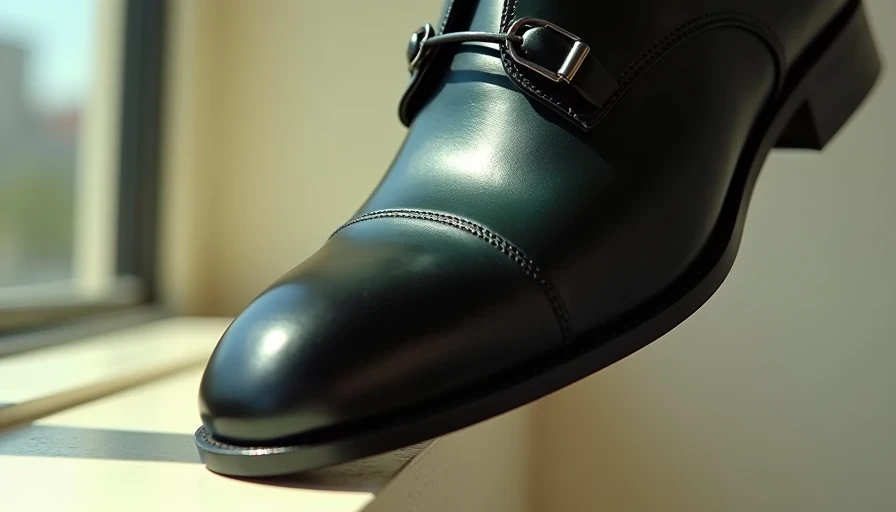
Here's what I look for, and the specific styles I've tested and worn. For pumps, I love the Cole Haan Zerogrand Wingtip Oxford—it combines a classic silhouette with Nike Air technology. I wore mine to back-to-back meetings during fashion week and my feet never ached. Another solid option is the Naturalizer Morrison Pump: under $150, genuine leather, and a cushioned insole that feels like you're walking on a yoga mat. For loafers, the G.H. Bass & Co. Weejuns are a timeless choice—I've had my pair for six years and counting. And if you want something with a bit of edge, the Dr. Martens 1461 Smooth Leather Oxford has softened up over time to become a surprisingly comfortable option for dressier looks.
Don't overlook sandal blocks either. For summer dress shoes, I reach for the Birkenstock Mayari—yes, the classic cork footbed is orthopedic heaven, and the metal buckle dresses it up. Or try the Naot Kayla, a wedge sandal with a slightly raised heel that still feels like a sneaker. The key is finding black dress footwear that supports your foot's natural shape without compromising on style.
How to Style Black Dress Footwear for Any Occasion
One of the most common questions I get is how to wear black dress shoes without looking like you're going to a funeral. The answer lies in proportion and texture. For example, a chunky loafers with cropped wool pants and a cashmere sweater creates a smart-casual look that works for lunch or a client meeting. A pointed-toe pump with a silk midi skirt and a tailored blazer says power meeting without screaming for attention.
And don't be afraid of mixing black footwear with other colors. Black shoes with navy trousers? Yes, absolutely—it's a classic French-girl trick. Wear black dress footwear with olive or burgundy for a sophisticated palette that doesn't feel matched. Texture also matters: patent black leather reads dressier, while matte calf leather or suede feels more casual. I own both and use them differently.
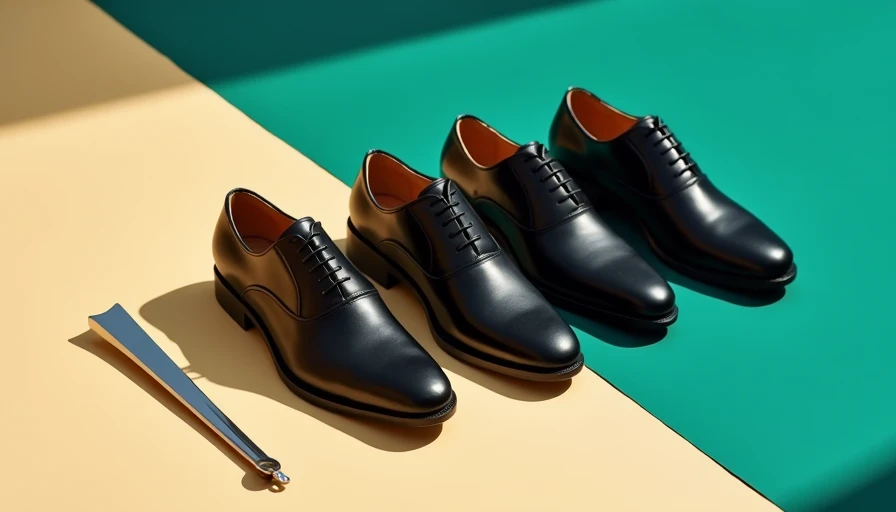
What to Look For When Buying Black Dress Footwear
Here are my non-negotiable criteria after all these years:
- **Leather quality:** Full-grain or top-grain calf leather. Avoid bonded leather labels. Turn the shoe over and check the sole—if it's leather, it can be resoled; if it's cheap rubber, it'll wear out faster.
- **Arch support:** Look for removable insoles so you can add your own orthotics if needed. Brands like Vionic and OOFOS focus on this, but even a classic pump can have a padded footbed.
- **Heel height and shape:** For day wear, a 2- to 2.5-inch block heel or a kitten heel is your friend. For evening, you can go higher, but make sure the platform balances the drop. A 4-inch stiletto with no platform is a recipe for agony.
- **Width options:** Your feet may widen with age, so buy shoes that fit your current foot—not the one you had at 25. Many brands offer wide widths; don't cram your toes.
I still keep a log of every shoe I buy with the date and price tag inside. The best black dress footwear I ever owned were a pair of Prada pumps that cost $595 in 2005—I had them resoled three times and finally let them go in 2018. They averaged out to less than $50 a year. That's the kind of value I'm talking about.
Final Thoughts
The best accessory is a life well-lived, and that includes your feet. Don't settle for black dress footwear that makes you miserable. Invest in shoes that feel as good as they look, and you'll step into every room with confidence—without limping. Trust me, your 40s are the time to stop apologizing for comfortable shoes and start choosing the ones that serve you.