
A few weeks ago, I was digging through my closet—yes, I still tag every piece with a date and price—and I landed on a shirt I bought nearly eight years ago from Brooklyn Industries. It’s a classic oxford in a soft, washed blue, and it’s still in rotation. That’s rare for any garment, and it got me thinking: why does the **Brooklyn Industries shirt** hold up so well when so many others don’t? After years in the industry, I’ve learned to spot quality that lasts. And this brand delivers it without the hype or the price tag of a designer label.
Let me tell you what I look for in a shirt that earns its place in a wardrobe. It’s not just about fabric or fit—it’s about how the piece makes you feel when you put it on. The **Brooklyn Industries shirt** does that effortlessly. It’s structured enough for a meeting but relaxed enough for a Saturday lunch. And the best part? It doesn’t demand you dress around it.
What Makes the Brooklyn Industries Shirt Different
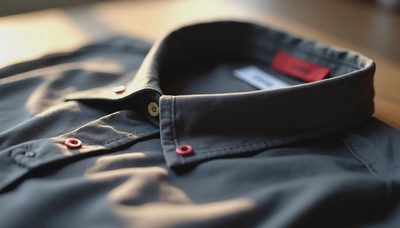
I’ve handled thousands of shirts in my time—from high-street basics to Italian luxury. The **Brooklyn Industries shirt** sits in a sweet spot that most brands miss: it has the weight of a premium garment without the stiffness that makes you feel like you’re in costume. The cotton is thick but not rigid, with a subtle slub texture that adds character. The stitching is clean, the buttons are anchored well, and the collar holds its shape after multiple washes. I’ve put mine through the wringer—tossed in the machine, hung to dry, worn on repeat—and it still looks presentable. That’s not luck; that’s construction.
Brooklyn Industries started as a local brand in the early 2000s, making canvas bags and workwear-inspired pieces. Their shirts carry that DNA—functional, durable, and unfussy. The cut is slightly relaxed, which is perfect for women over 40 who don’t want to be buttoned up to the neck. I size up for an easier fit, but the tailored version works for those who prefer a sharper line. Prices usually land between $68 and $98, depending on the style. Compare that to a similar quality shirt from a designer label that would run you $200 or more, and you see the value.

Three Ways to Style Your Brooklyn Industries Shirt
One of the things I appreciate most about this shirt is its versatility. It’s not a one-outfit wonder. Here are three ways I wear mine, from morning to night.
**1. With Crisp Denim and Loafers** – This is my go-to for a casual day of errands or a coffee date with Tom. I tuck the **Brooklyn Industries shirt** into high-waisted jeans—I love a good straight-leg from Agolde—add a pair of leather loafers, and roll the sleeves twice. It’s effortless and polished. If it’s chilly, I throw on a cashmere cardigan in a neutral tone. The shirt’s weight keeps it from looking sloppy under a layer.
**2. Under a Blazer for Work** – When I have a meeting or a client lunch, I swap the cardigan for a structured blazer. A black or navy blazer over the **Brooklyn Industries shirt** creates a clean, professional look. I leave the top button undone and add a simple gold necklace. The shirt’s slightly relaxed fit gives the blazer some breathing room, so you don’t feel constricted. Pair with tailored trousers and low heels, and you’re set.
**3. As a Light Jacket Over a Tee** – Yes, I wear my shirt unbuttoned, too. On warm spring and fall days, I layer it over a simple white T-shirt, with cuffed denim shorts or cropped pants. The **Brooklyn Industries shirt** becomes an outer layer that adds polish to an otherwise basic outfit. It’s the kind of styling trick that makes you look put-together with almost zero effort.
The Fabric and Fit: What to Look For
Let’s talk about the specifics, because details matter. The **Brooklyn Industries shirt** comes in several weaves: chambray, oxford cloth, and sometimes a twill. The chambray version is lighter and works for summer; the oxford is my favorite for year-round wear. I recommend checking the fabric composition—look for 100% cotton or a cotton-linen blend. Avoid anything with too much polyester, because it won’t breathe or age well.
Fit-wise, the brand offers both “slim” and “classic” cuts. I prefer the classic for its ease, but if you’re between sizes, I’d go up. The shirt should feel comfortable across the shoulders and chest without pulling at the buttons. And pay attention to sleeve length—it should hit just past your wrist bone when your arms are down. If it’s too long, you can always cuff it.

How It Compares to Other Brands
I’ve tested shirts from Madewell, Everlane, and Ralph Lauren, and each has its merits. Madewell’s version is softer but loses shape faster. Everlane’s is consistent but can feel a bit stiff. Ralph Lauren’s is classic but often too buttoned-up for a casual look. The **Brooklyn Industries shirt** strikes a balance: it’s soft enough to wear straight out of the bag, yet structured enough to hold its shape over time. And the price point is fair for the quality.
One note: Brooklyn Industries isn’t as widely available as those brands. You’ll find their shirts on their website, and occasionally at select retailers or sample sales. If you’re buying online, check the size guide carefully. I’ve found their sizing to be true to size, but the classic fit runs slightly roomier. If you’re unsure, order two sizes and return one—their return policy is straightforward.
Is It Worth Your Money?
In short, yes. A **Brooklyn Industries shirt** is an investment that pays off in years of wear. It’s not a trend piece; it’s a building block for a wardrobe that works for real life. Whether you’re heading to the office, meeting friends, or just running errands, this shirt adapts. And at the end of the day, that’s what I look for in any garment: does it make life a little easier and a little more stylish? This one does.
If you’re on the fence, I’d say start with one in a neutral color—white, blue, or gray. You’ll be surprised how often you reach for it. And when you find yourself still wearing it years from now, you’ll understand why I love it so much.
The best accessory is a life well-lived. But a great shirt? That’s a close second.


No letters yet — be the first to write.